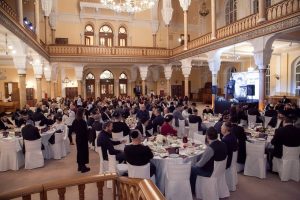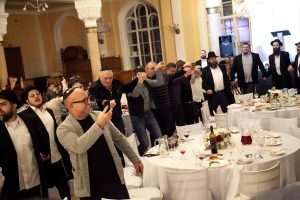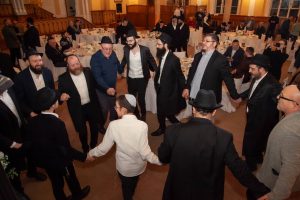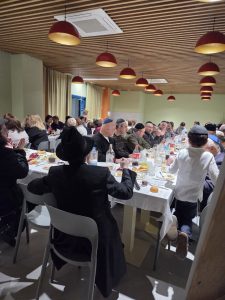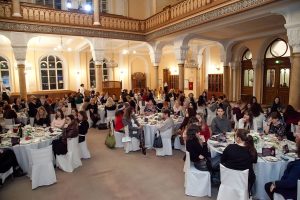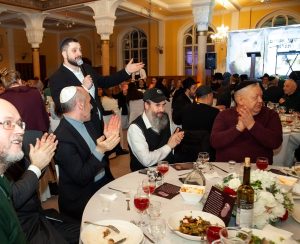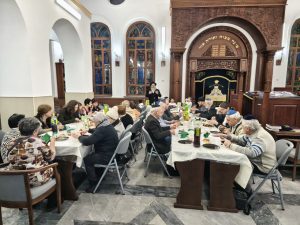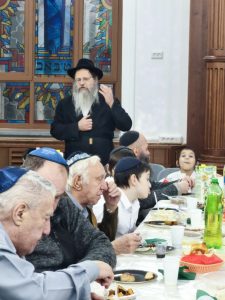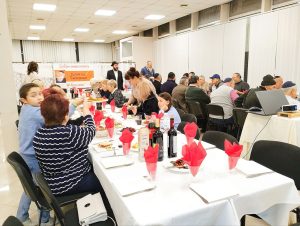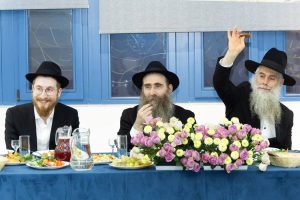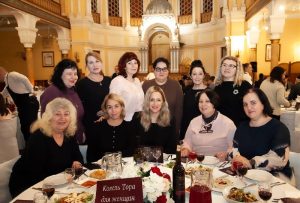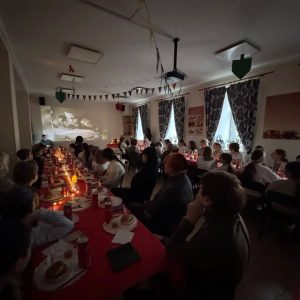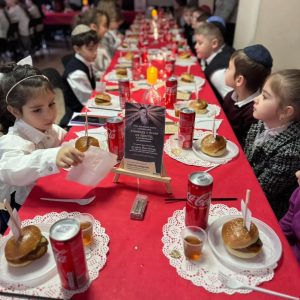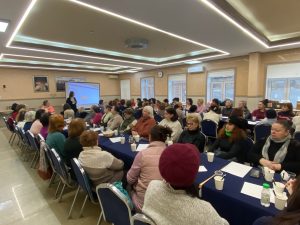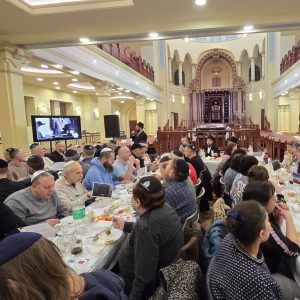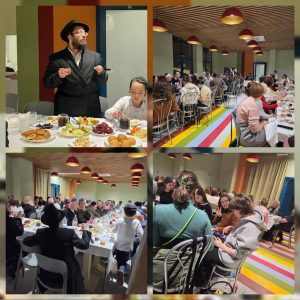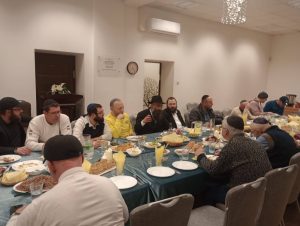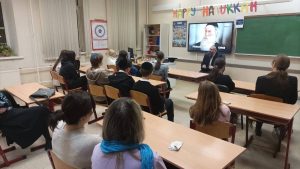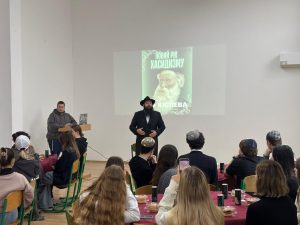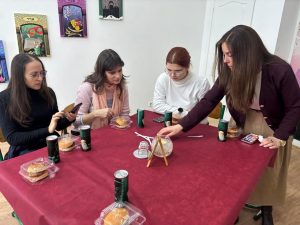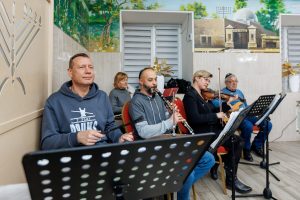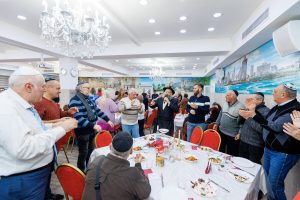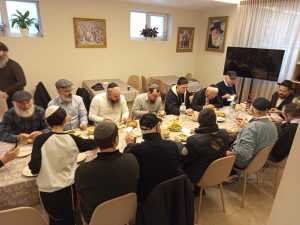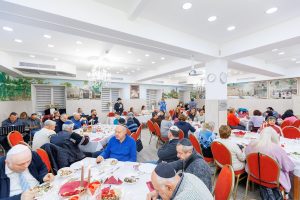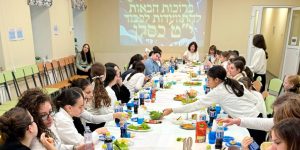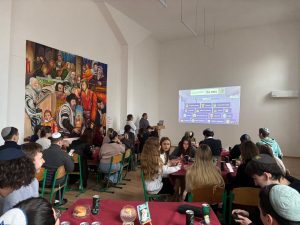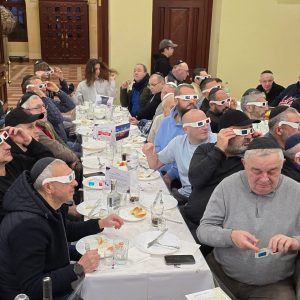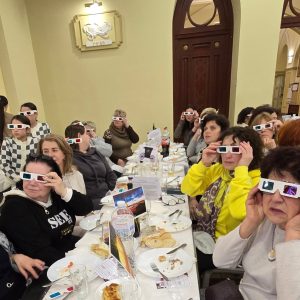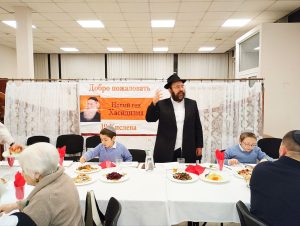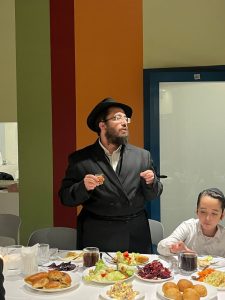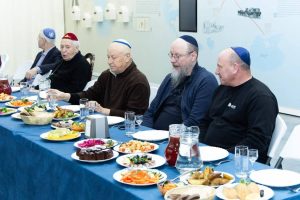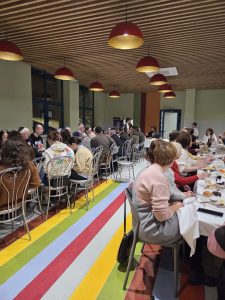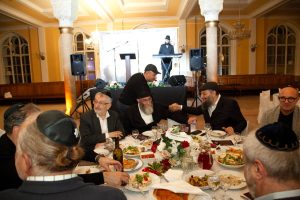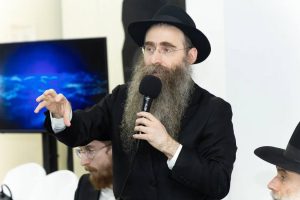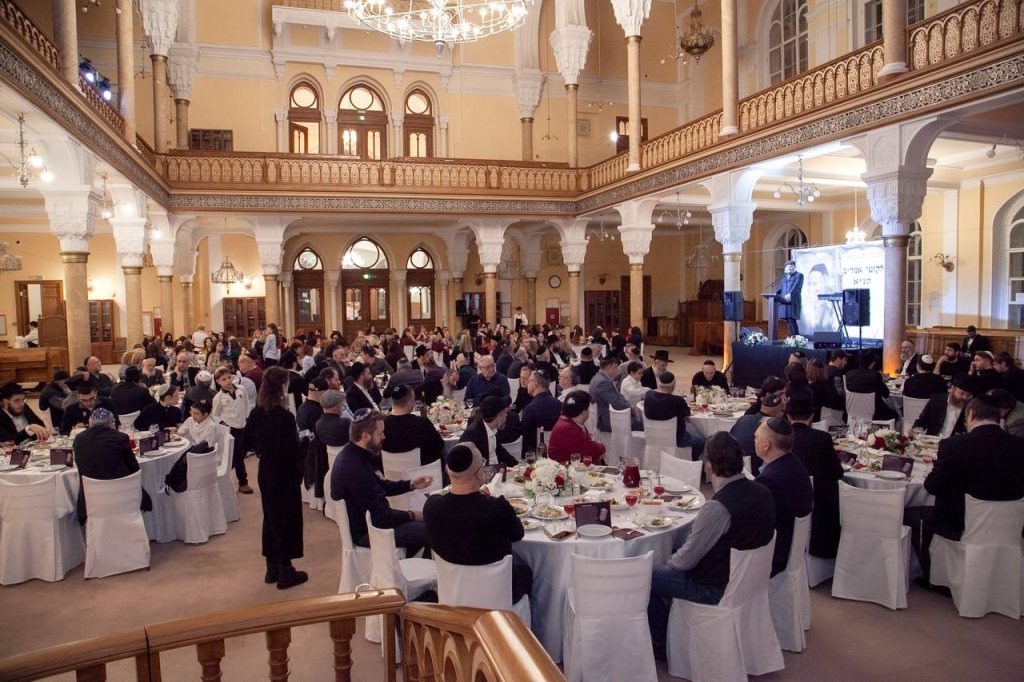
Hundreds of Jewish communities across the former Soviet Union marked the 19th of Kislev with heartfelt celebrations and Chassidic gatherings, joining Jews around the world in observing the “New Year of Chassidism.” From Moscow to Odesa, Riga to Almaty, and especially in Petersburg, the events reflected both the historical depth and the ongoing revival of Jewish and Chassidic life throughout the region.
The 19th of Kislev commemorates the release of Rabbi Schneur Zalman of Liadi, the founder of Chabad Chassidism, from imprisonment in czarist Russia in 1798. His arrest and subsequent liberation in Petersburg are regarded as a turning point in Jewish history, enabling the wider dissemination of Chassidic teachings. The date also marks the yahrzeit of his teacher and Rebbe, Rabbi DovBer of Mezritch, linking the day to the very origins of the Chassidic movement.
These events carry special significance across the FSU, where the Chassidic movement was born and where much of its early development took place. In Petersburg, where the Alter Rebbe was both imprisoned and released, annual celebrations are particularly moving. The city’s Jewish community gathers each year to reflect on the spiritual freedom the day represents, through special programs and uplifting farbrengens—Chassidic gatherings featuring song, L’chaims, and shared words of Torah and inspiration.
During the Soviet era, 19 Kislev was observed quietly and often in secret, serving as a powerful symbol of inner strength and perseverance. Today, Jewish communities across the region are able to celebrate openly and proudly, with growing participation and renewed energy each year.