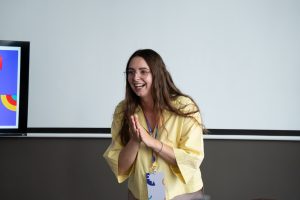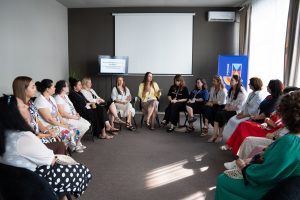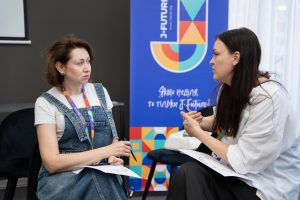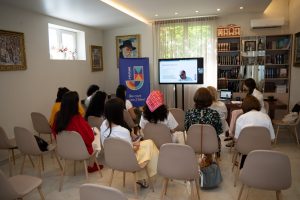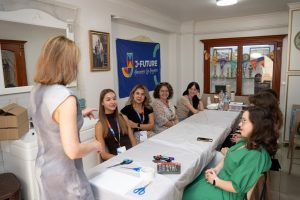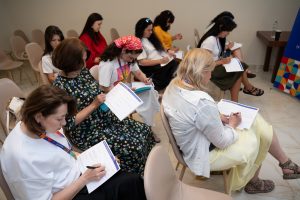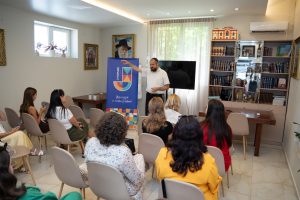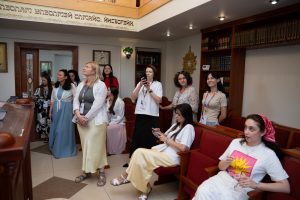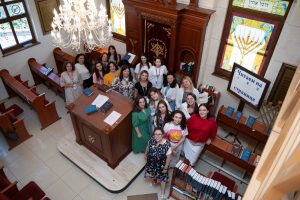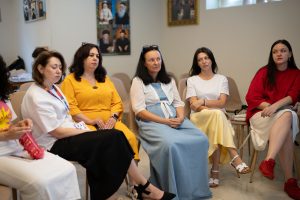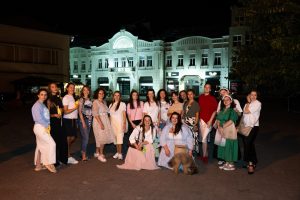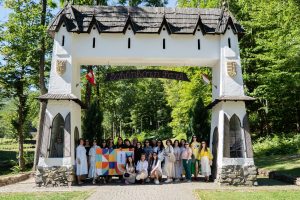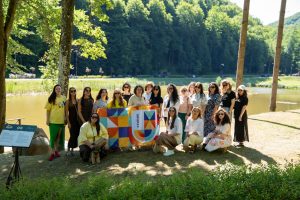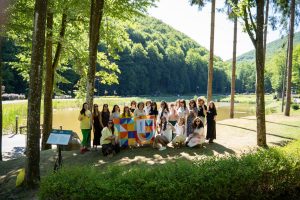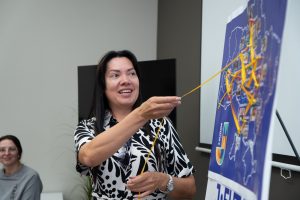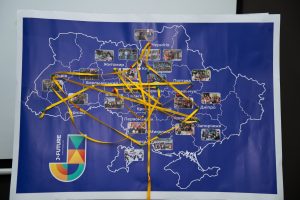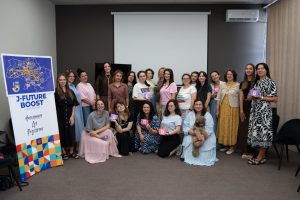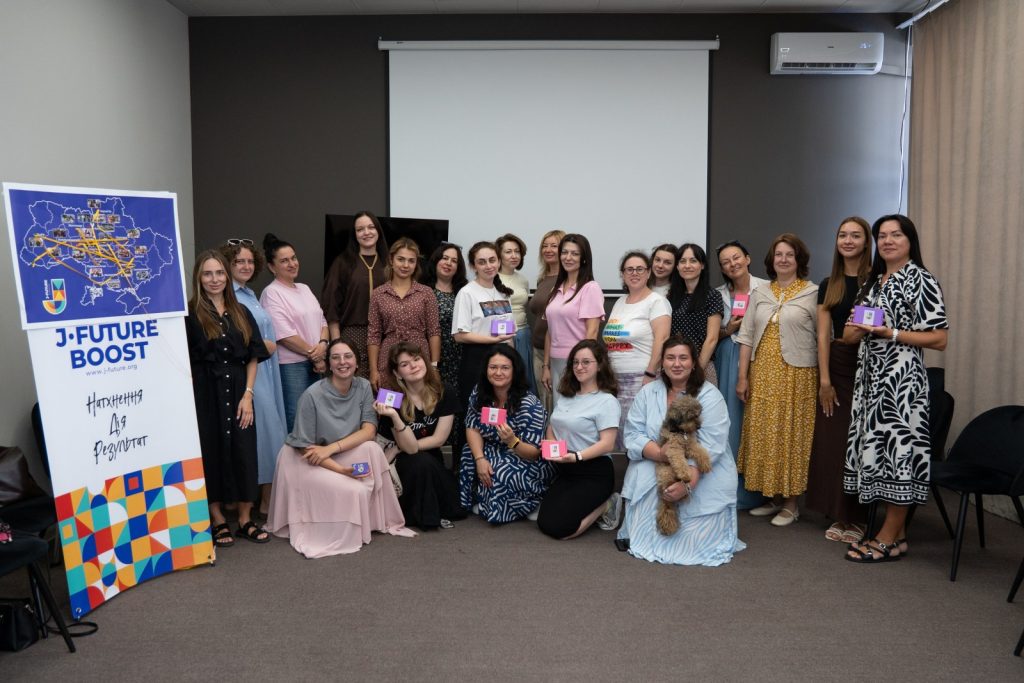
JFuture coordinators and counselors from across Ukraine recently gathered in Uzhhorod for JFuture Boost, a four-day seminar designed to review the past season, strengthen professional skills and prepare teams for the year ahead.
JFuture is an international educational program for Jewish children ages 5 to 12, combining Jewish traditions with modern and interactive learning methods. Its network currently includes 70 branches in 14 countries, reaching more than 2,100 children and 4,100 parents.
The Uzhhorod seminar followed the conclusion of JFuture’s “Yaskravyi Ya” (“Bright Me”) season, which focused on helping children better understand themselves, their abilities and their responsibility toward others. Throughout the year, participants explored themes including body and soul, teamwork, decision-making and Jewish values, while the second half of the season placed a particular emphasis on turning those lessons into action through good deeds, volunteering and helping others.
The seminar gave local teams an opportunity to examine what had worked well in their branches and where further growth was needed. Participants shared experiences from communities across Ukraine, discussed challenges they encounter in their daily work and began developing practical plans for the coming season.
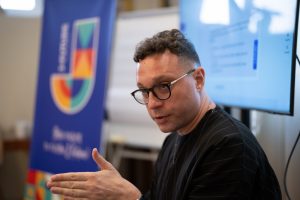
The program included separate professional tracks for coordinators and counselors. Together with Alexey Lidovsky, coordinators explored how to better communicate the distinctive character of their local JFuture branches to parents, children and community partners, while Yevhen Birnbaum led a session on the qualities and responsibilities that make a strong JFuture team member.
Counselors focused on practical tools for working with children, including ways to create more engaging activities and effectively communicate their programs through photo and video content. They also exchanged ideas on common challenges and developed solutions that could be applied in their local groups.
Particular attention was given to the well-being of the educators themselves. Sessions on resilience, conflict management and preventing burnout addressed the pressures faced by those working closely with children. Participants also discussed how to recognize and respond to children who may require additional attention or a more individualized approach.
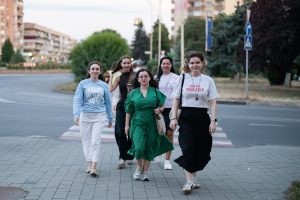
Alongside the professional program, the group explored Uzhhorod’s Jewish heritage through a guided tour and an interactive “Jewish Uzhhorod” quest, connecting the seminar’s educational work with the history and present-day life of the local Jewish community.
One of the central moments of JFuture Boost was the presentation of the program’s upcoming season, including its new concept, educational structure and goals. The gathering concluded with participants developing practical plans to bring the ideas and tools they had gained back to their communities.