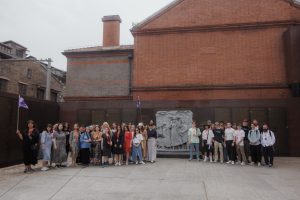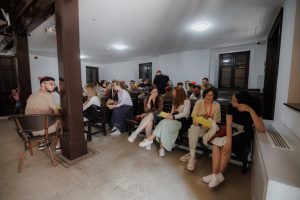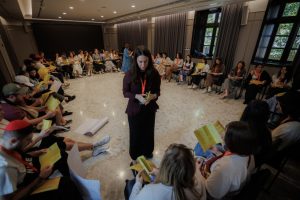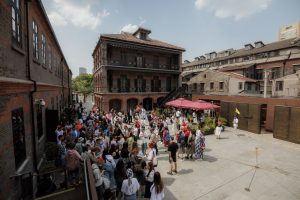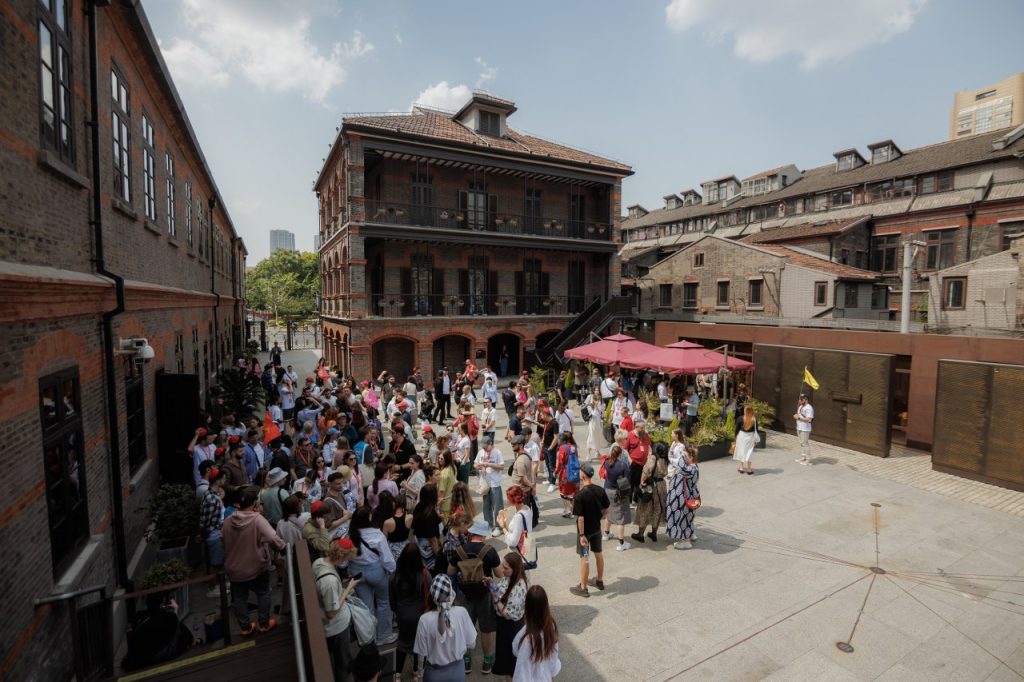
Special excitement filled the air among the 800 participants of the historic “YAHAD” journey for Jewish students from Russia and the FSU, as they arrived at the Jewish Ghetto in Shanghai. The visit marks 80 years since the Ghetto’s liberation, in which the Tomchei Temimim yeshiva, which fled from Otwock to escape the Nazi oppressor, operated. Among the participants was the great-grandson of the city’s chief rabbi at that time, Rabbi Meir Ashkenazi, of blessed memory — Rabbi Zelig Ashkenazi, Chief Rabbi of Yekaterinburg, who returned to the place where his illustrious ancestor served.
The Jewish Ghetto in Shanghai, known as the Hongkou District, became a refuge during World War II for approximately 20,000 Jews fleeing the Holocaust. Shanghai was one of the few places in the world that accepted Jewish refugees without requiring visas, and the city’s Jewish population grew significantly as Europeans sought safety. The ghetto itself was established by Japanese authorities in 1943 and remained a center of Jewish life until the city’s liberation in 1945.
One of the notable institutions that took refuge in Shanghai was the Tomchei Temimim yeshiva. Originally located in Otwock, Poland, the yeshiva managed to escape the Nazi onslaught, continuing its activities in the challenging conditions of wartime Shanghai. Under the leadership of Rabbi Meir Ashkenazi, the yeshiva students remained dedicated to their studies, preserving Jewish learning and tradition even in exile.
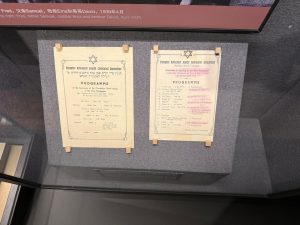
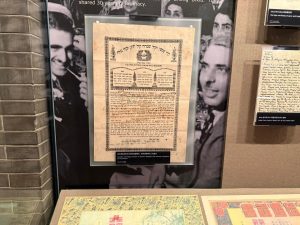
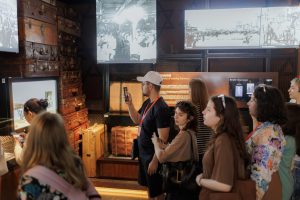
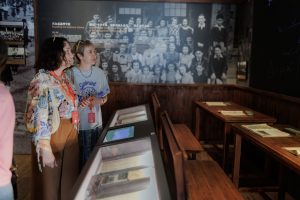
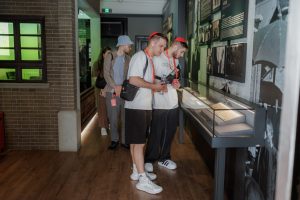
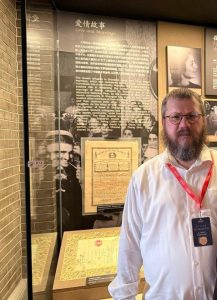
The historical tour of the ghetto area began at the Holocaust and Jewish History Museum, established by a local Chinese philanthropist who sought to honor the role of the Chinese people in the lives and rescue of the Jews. A particularly moving moment occurred when the museum exhibits included a Ketubah edited by Rabbi Ashkenazi, as well as his name listed among the Jews who lived in the ghetto.
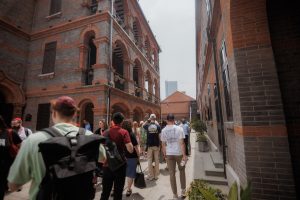
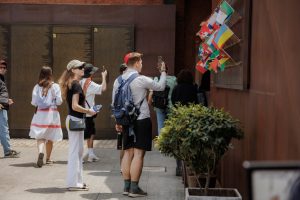
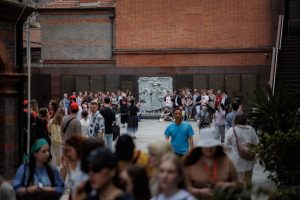
After the deeply emotional tour, the large delegation continued through the surrounding streets to view the Ghetto’s last remaining buildings and ruins, as well as the memorial erected in the nearby park.
Special segments throughout the journey, including a multimedia presentation, were dedicated to this chapter in history and inspired the Jewish students to connect with the profound richness of Judaism and Chassidism — wherever life may take them and under any circumstances they may face.
The journey left a profound impact on the young Jewish participants, as they experienced firsthand the historical challenges and resilience of the Jewish community in Shanghai during World War II.