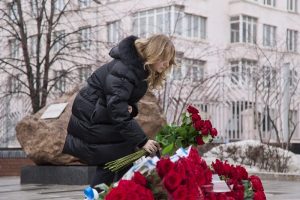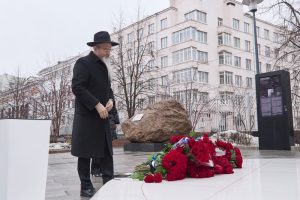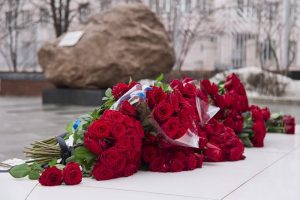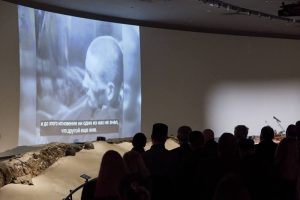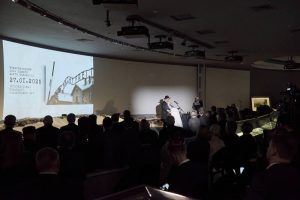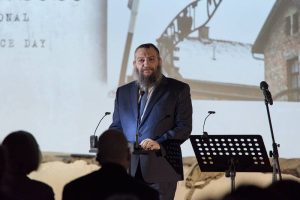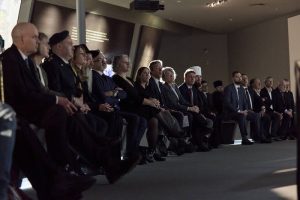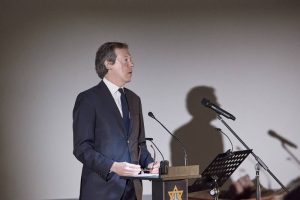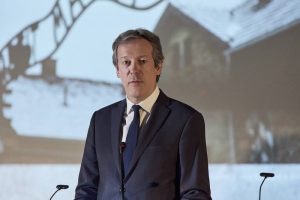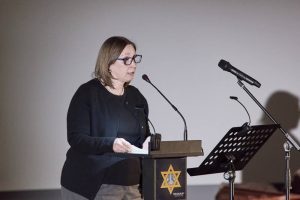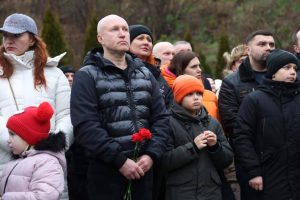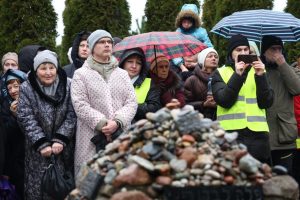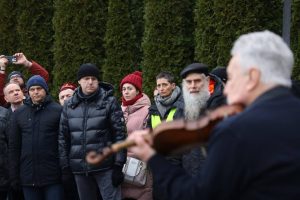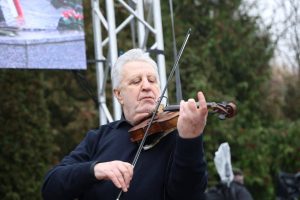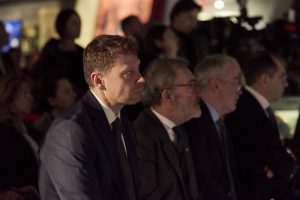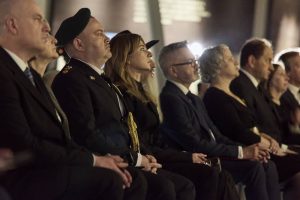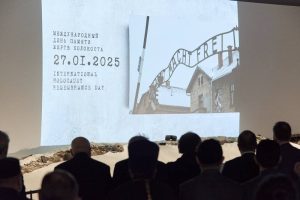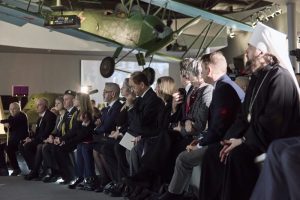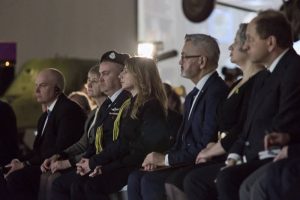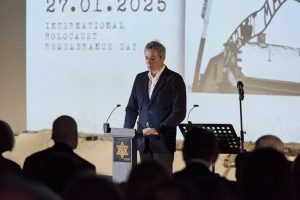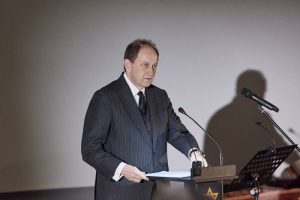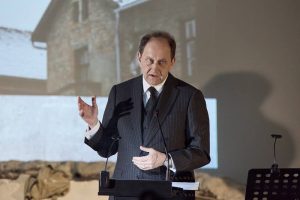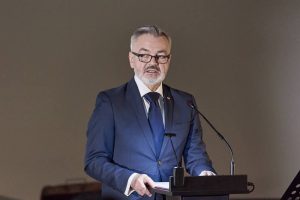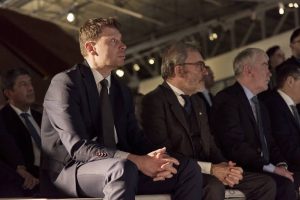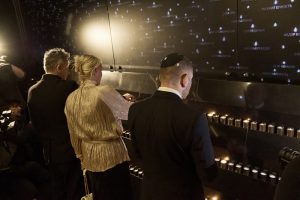
Russia’s main Holocaust remembrance ceremony was held at the Jewish Museum and Tolerance Center in Moscow, bringing together religious leaders, diplomats, and community members to honor the memory of the six million Jews who perished in the Holocaust.
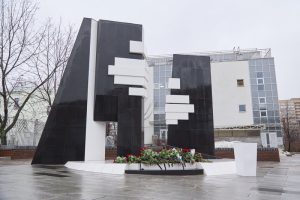
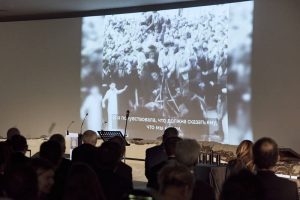
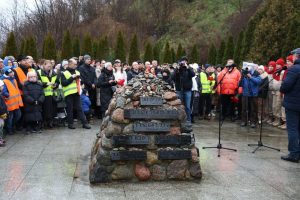
The solemn ceremony, marking exactly eighty years since the liberation of Auschwitz-Birkenau by Red Army soldiers, took place at the World War II memorial complex in the Jewish Museum and Tolerance Center, located in Moscow’s Marina Roshcha neighborhood. From 1940 to early 1945, more than four million Jewish people were murdered at Auschwitz-Birkenau, the largest death camp in human history, until its liberation on January 27, 1945.
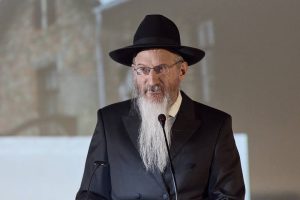
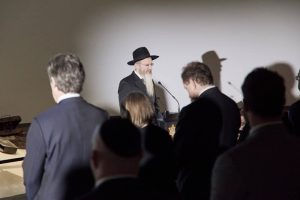
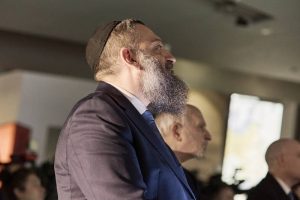
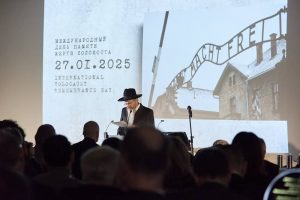
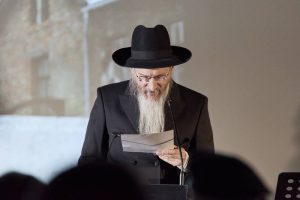
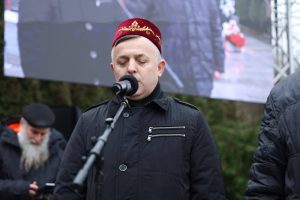
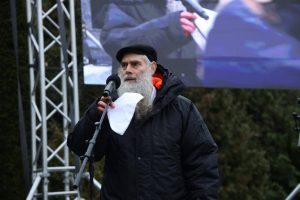
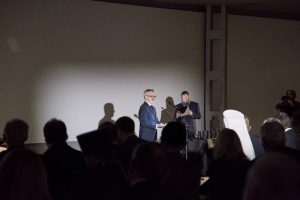
Chief Rabbi of Russia, Rabbi Berel Lazar, opened the ceremony with a moving personal account of his family’s Holocaust experience. “My mother, may she live and be well, was born in Hungary in 1941,” he shared. “Hungary was then a close ally of the Nazis, and almost all of Hungary’s Jews were sent to concentration camps and murdered. My mother was saved only because there were people who risked their lives to save Jews.”
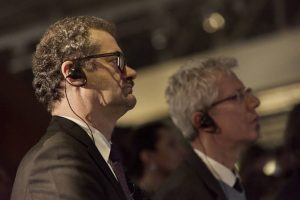
Speaking before an audience that included dozens of international ambassadors and journalists, Rabbi Lazar emphasized the importance of remembrance and vigilance. He cited the Lubavitcher Rebbe’s teaching that faith and love for G-d are fundamental to morality, respect, peace, and coexistence. “There are almost no survivors left who experienced the tragedy of the Holocaust firsthand,” he noted. “But we – the children, grandchildren, and great-grandchildren – will always remember and speak about it: at home, in schools, and on the streets.”
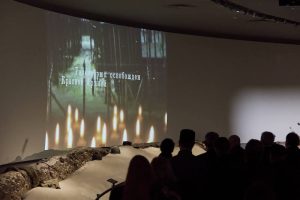
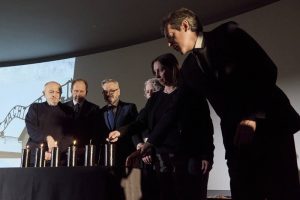
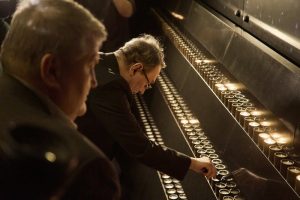
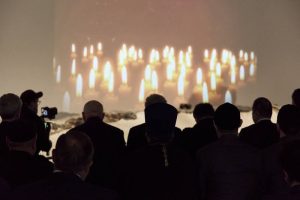
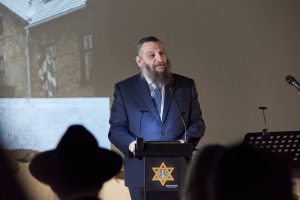
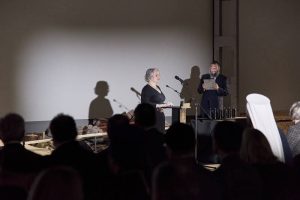
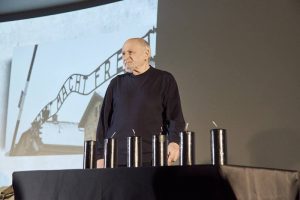
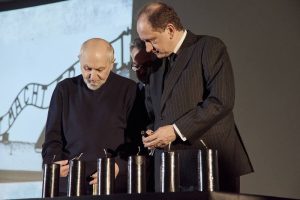
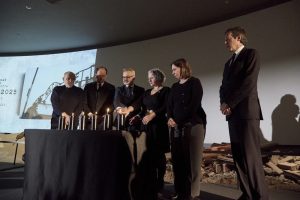
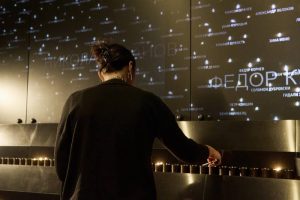
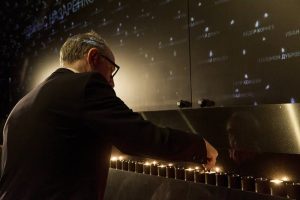
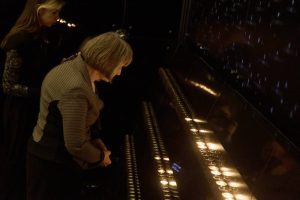
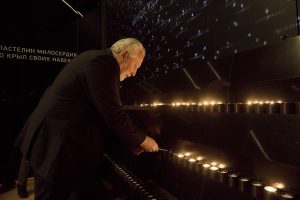
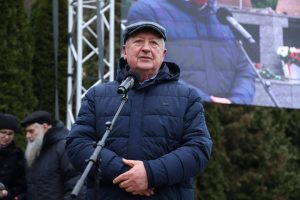
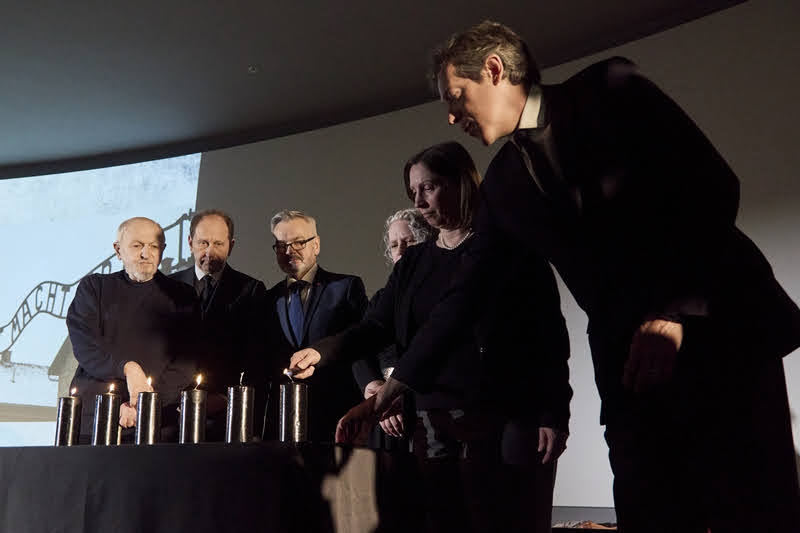
The ceremony, hosted by Rabbi Baruch Gorin, included the lighting of six memorial candles representing the six million martyrs. The first candle was lit by Kalman Ginsek, a prominent Russian cultural figure who survived internment in a Latvian ghetto as an infant. Five ambassadors from the United States, United Kingdom, Germany, Poland, and Israel lit the remaining candles.
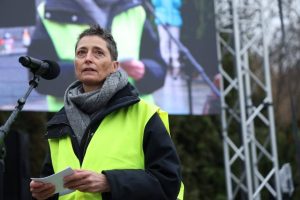
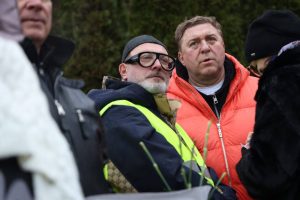
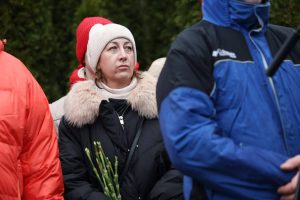
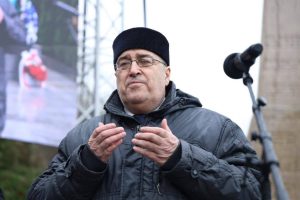
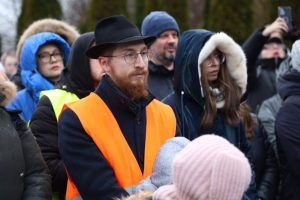
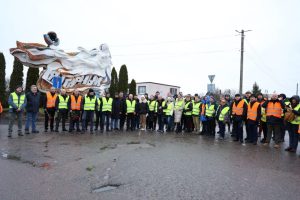
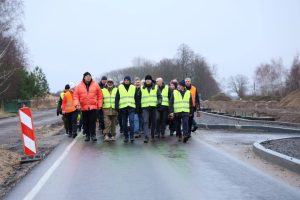
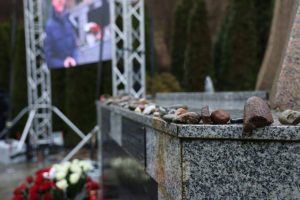
In a parallel commemoration in Kaliningrad, the Jewish community organized a “March of Life” along a ten-kilometer route – the same path where approximately seven thousand Holocaust victims were forced to march to their deaths near the Baltic River during the war’s final days. Chief Rabbi David Shwedik, and Chabad emissary to Kaliningrad, Rabbi Avraham Baruch Deutsch, led the march alongside city officials, diplomatic representatives, and Jewish youth, ensuring that the memory of those lost lives on through new generations.