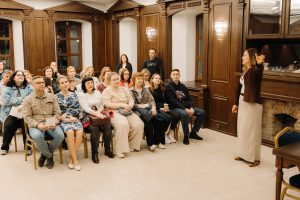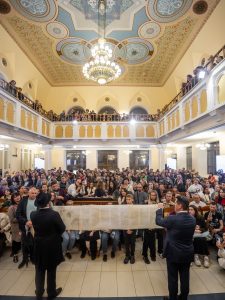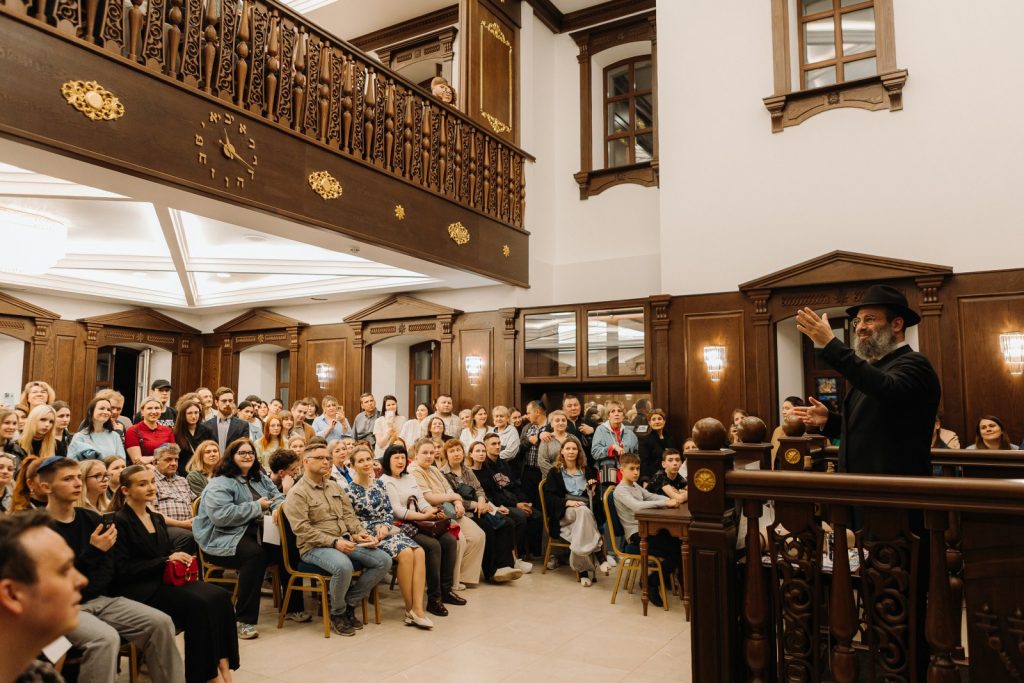
Synagogues and Jewish community centers across Russia opened their doors to the wider public this week as part of the annual “Night of Museums,” welcoming thousands of visitors for a warm and educational encounter with Jewish history, tradition, and community life. The nationwide cultural initiative took place on May 16, 2026, under the official theme “Rodnoye” — “Native” or “Close to Home” — highlighting family traditions, local histories, and the cultural heritage that connects communities across generations.
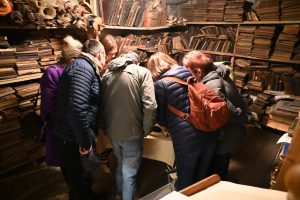
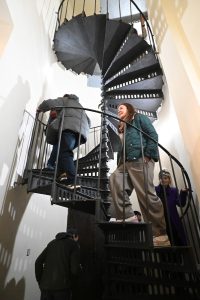
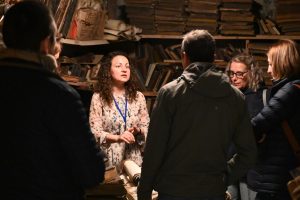
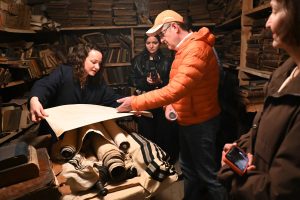
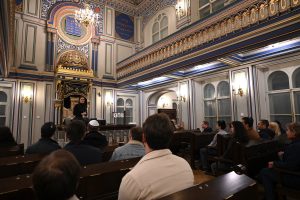
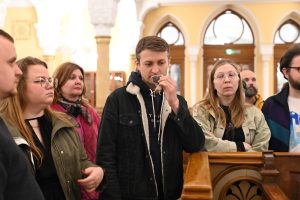
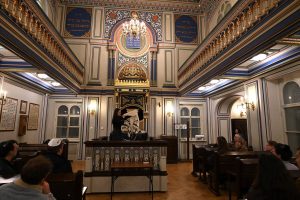
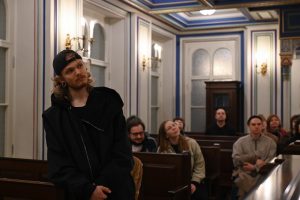
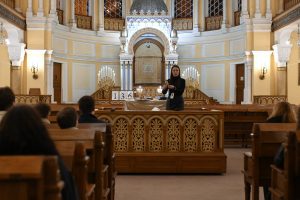
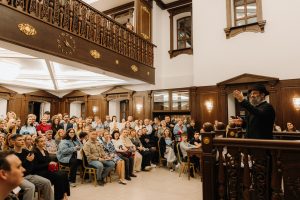
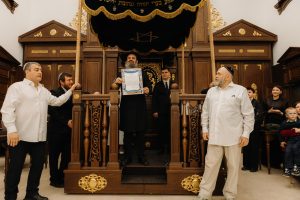
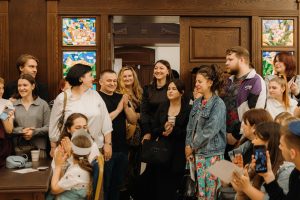
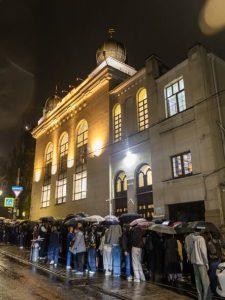
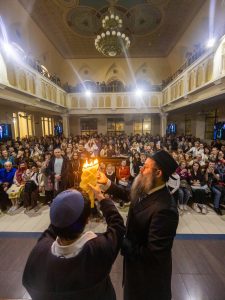
At the Grand Choral Synagogue of Petersburg, several hundred guests took part in a special evening program titled “The Secrets of the Synagogue on Museum Night.” Guided tours were offered throughout the evening, introducing visitors to the synagogue’s central prayer hall and the Small Synagogue, while additional groups climbed a spiral staircase to view the magnificent sanctuary from beneath the dome. A particular point of interest was the synagogue’s genizah, a repository of old sacred books and scrolls, which gave visitors a rare glimpse into the preservation of Jewish texts and memory.
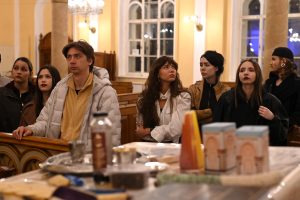
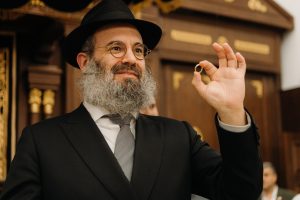
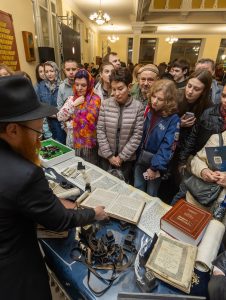
Another important part of the Petersburg program was a presentation of Jewish ritual objects. Visitors were shown a tallit, tefillin, mezuzah, siddurim, objects used for lighting Shabbat candles and for Havdalah, and other items connected to daily and holiday Jewish life. The demonstrations allowed many first-time visitors to ask questions and better understand the meaning of familiar Jewish symbols within the living rhythm of the community.
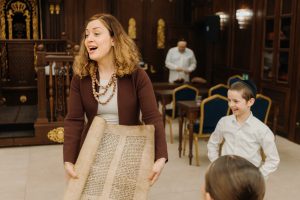
In Bryansk, the Jewish community, led by Rabbi Menachem and Rebbetzin Rivka Zaklas, also welcomed hundreds of guests for an extensive program of exhibits and live demonstrations. Visitors explored displays devoted to Jewish holidays and customs, including the symbols of Rosh Hashanah — the shofar, apple, and honey — as well as parchment scrolls, the Aron Kodesh, and Torah scrolls.
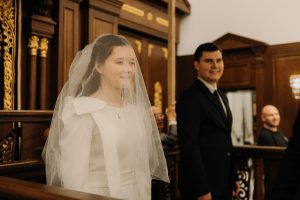
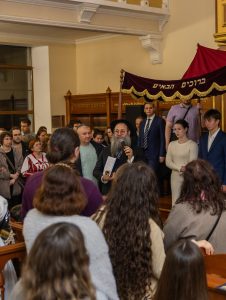
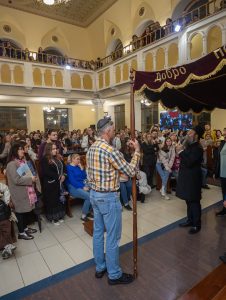
A highlight of the evening was a live presentation of a traditional Jewish wedding, performed by members of the community and featuring a ring, ketubah, chuppah, and a bride and groom in traditional attire. The Bryansk program was designed to introduce visitors to the depth and beauty of Jewish family life, ritual, and heritage.
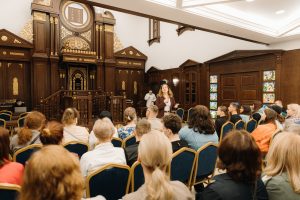
Jewish communities in other cities also participated in the evening. In Moscow, the Jewish Museum and Tolerance Center offered free access to its main interactive exhibition, along with special tours, lectures, and family-history activities. In Rostov-on-Don, more than a thousand people visited the historic Soldiers’ Synagogue, where Rabbi Chaim Danzinger and a student of the local Or Avner Jewish school led a Havdalah ceremony. In Novosibirsk, the Beit Menachem synagogue welcomed 750 guests for a nighttime program introducing visitors to the synagogue, Jewish tradition, and the life of the local community.
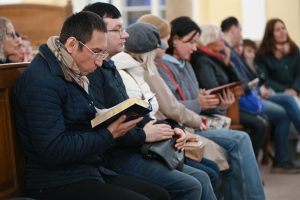
For many participants, Museum Night offered their first visit to a synagogue and their first direct encounter with Jewish religious practice. For the communities, it was an opportunity to share Jewish life in an open, respectful, and accessible way — through architecture, music, sacred texts, ritual objects, family traditions, and personal conversation.