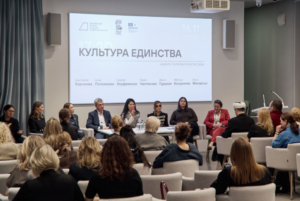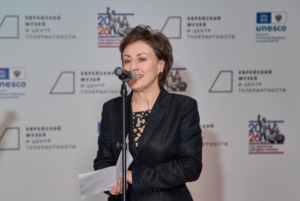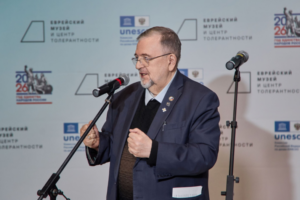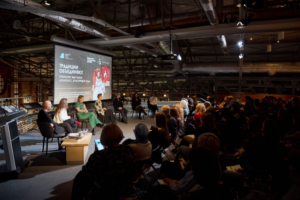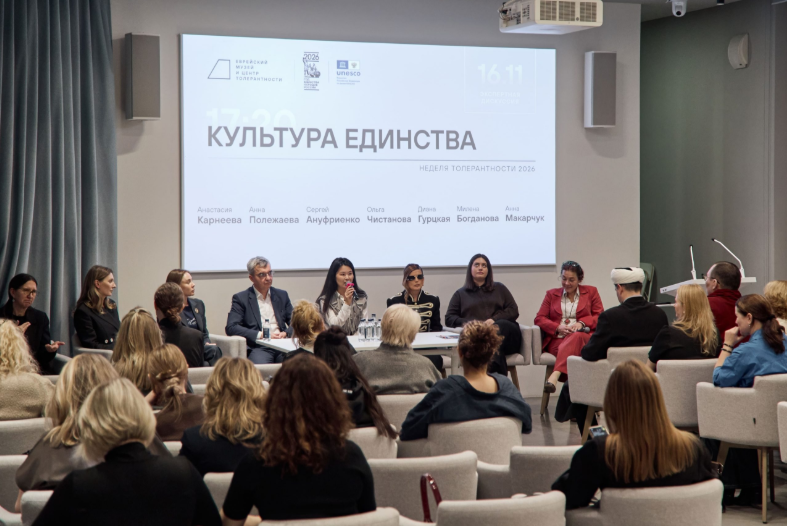
The Jewish Museum and Tolerance Center in Moscow opened its 14th annual Tolerance Week, marking the International Day for Tolerance. Held under the theme “Culture Unites,” the initiative brings together representatives of different nationalities, faiths, and cultural backgrounds through 15 educational and cultural events, including exhibitions, lectures, musical performances, and interactive activities. The program highlights the role of culture in fostering mutual understanding, respect, and meaningful connections between communities.
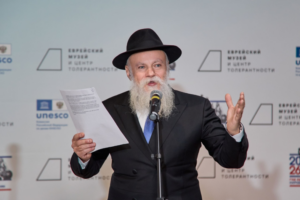
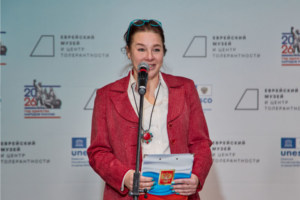
Opening the event, Rabbi Alexander Boroda, President of the Federation of Jewish Communities of Russia and General Director of the Jewish Museum and Tolerance Center, emphasized the importance of cultural exchange in strengthening understanding while preserving the unique traditions and identities of different communities. He noted that mutual respect requires continuous effort and that shared cultural experiences can help people discover common ground across religious and national differences.
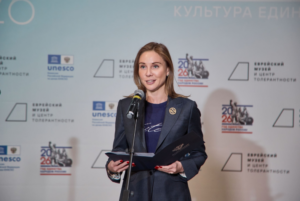
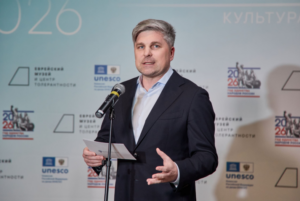
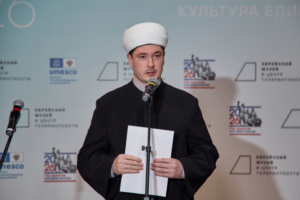
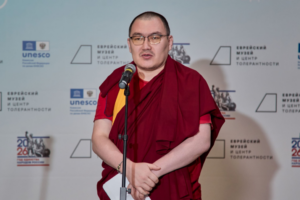
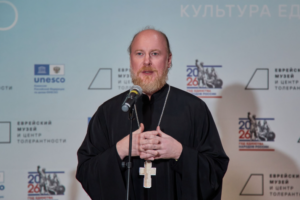
The opening ceremony brought together representatives of cultural institutions, public organizations, and religious communities. Among the participants were government and cultural representatives, as well as leaders from Jewish, Christian, Muslim, and Buddhist communities, reflecting the event’s commitment to intercultural and interfaith dialogue.
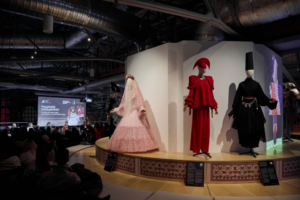
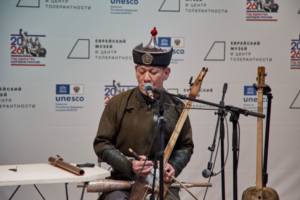
One of the opening day’s highlights was the inauguration of “Context: Cultural Code,” an exhibition featuring nine original costumes created by students of the British Higher School of Art and Design. Inspired by traditional clothing from different regions of Russia, the designs combine elements of cultural heritage with contemporary artistic expression, demonstrating how traditions can inspire new forms of creativity. The opening program also featured musical performances celebrating the diversity of cultural traditions.
Throughout Tolerance Week, visitors are invited to participate in lectures, film screenings, discussions, and interactive activities exploring cultural identity, diversity, and inclusion. Special attention is given to making cultural institutions more accessible, including educational initiatives for working with deaf and hard-of-hearing visitors. The program also addresses social challenges such as prejudice and bullying, encouraging dialogue and practical approaches to building more inclusive communities.
The Tolerance Center’s activities extend well beyond this annual event. More than 100,000 people participate in its educational programs each year, including students, teachers, parents, and community representatives. In 2026, the center also implemented educational initiatives in more than 30 regions across Russia, expanding its efforts to promote understanding and cooperation.