
The Jewish community of Rostov-on-Don has launched a new initiative to establish a museum area dedicated to preserving more than two centuries of Jewish history in the city and the wider Don region.
Under the leadership of Chief Rabbi Chaim and Kaila Danzinger, the community has begun collecting historical photographs, documents, books, religious artifacts, and household items that reflect the lives of generations of local Jewish families.
Community members are being encouraged to contribute family heirlooms and personal records, helping preserve important chapters of Jewish history that might otherwise be forgotten.
Rostov-on-Don holds an exceptional place in the history of Russian Jewry. Jewish families began settling in the city in the early 19th century, with at least 20 families recorded by 1811. As the community grew, it established schools, charitable institutions, and synagogues, including the Main Choral Synagogue in 1868.
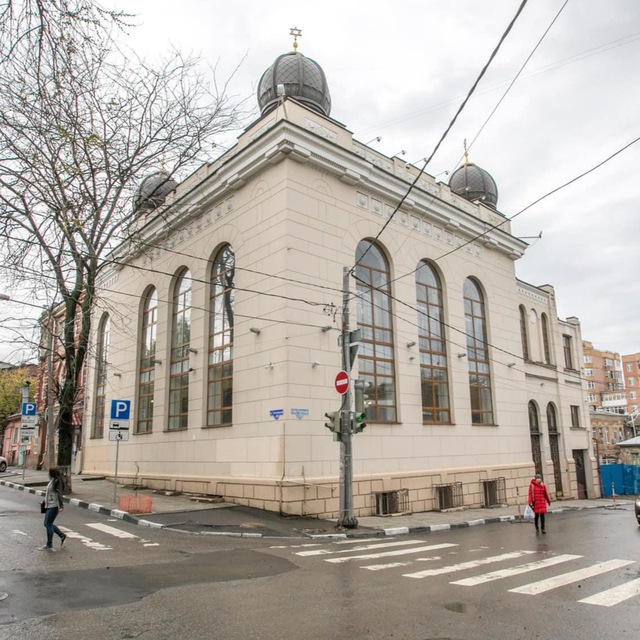
The historic Soldiers’ Synagogue, built in 1872 by Jewish veterans, remains the city’s only functioning synagogue and a central symbol of Jewish continuity. The building already houses a small historical display, while the new initiative seeks to further preserve and share the community’s rich heritage.
The city’s significance extends well beyond the Don region. In 1915, Rabbi Sholom DovBer Schneersohn, the fifth Lubavitcher Rebbe, settled in Rostov, making the city an important center of the Chabad-Lubavitch movement. He remained there until his passing in 1920, and his resting place continues to attract Jewish visitors from around the world.
This remarkable historical connection gives the new museum project particular importance, linking the personal stories of Rostov’s Jewish families with a heritage that has influenced Jewish communities across the globe.