Chief Rabbi Berel Lazar Visits Bauman Moscow State Technical University, Where Researchers Present Advanced Insect-Free Growing Technology and Discuss Potential Cooperation with Russia’s Kosher Certification Authorities
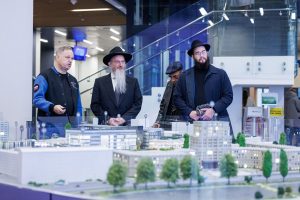
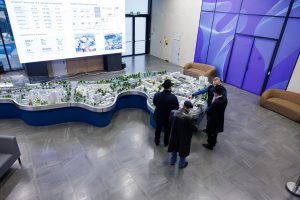
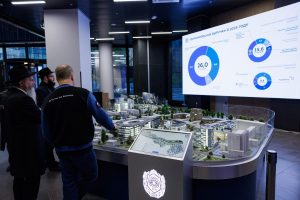
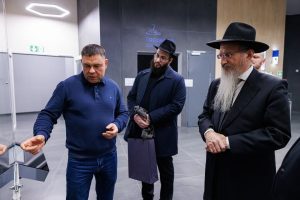
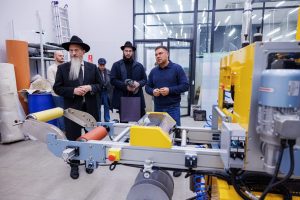
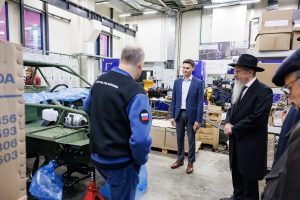
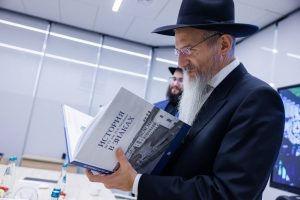
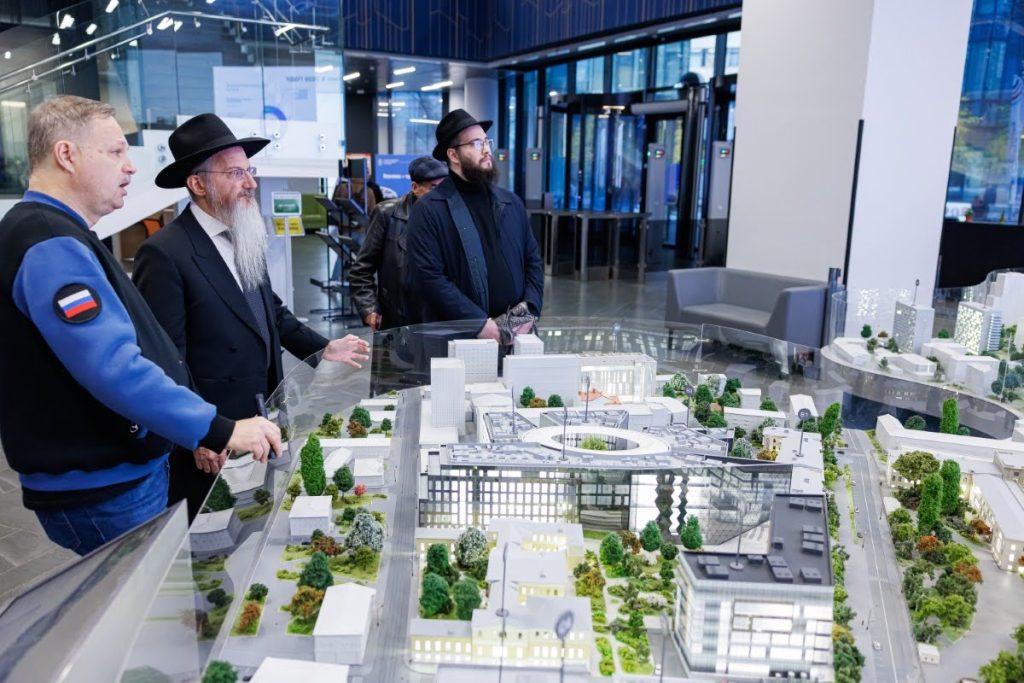
As Jewish communities across Russia return to their daily routines following the High Holidays, an innovative meeting between science and Jewish tradition took place at Bauman Moscow State Technical University, one of the country’s leading technical institutions. Chief Rabbi of Russia Berel Lazar visited the university on Tuesday to explore technological developments with potential applications in Jewish religious life, particularly kosher food production. He was welcomed by the university’s rector, Mikhail Gordin, together with a team of senior scientists and researchers.
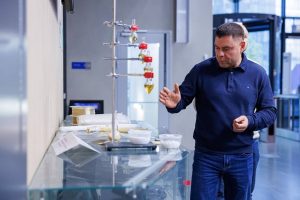
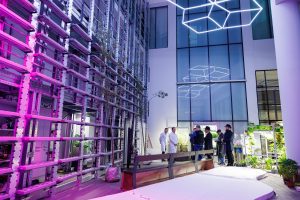
A central highlight of the visit was a demonstration of an innovative closed-loop system designed to grow vegetables and fruits in a controlled, insect-free environment. The technology could offer significant benefits for kosher food production, where the presence of insects in certain vegetables presents a major challenge under Jewish dietary law. According to the researchers, the system creates a sealed growing environment that prevents insects from entering, eliminating the need for chemical pesticides. The facility also features advanced monitoring of seedlings and a rotating mechanism that significantly reduces lighting and cultivation costs.
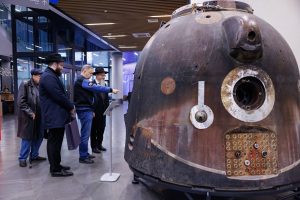
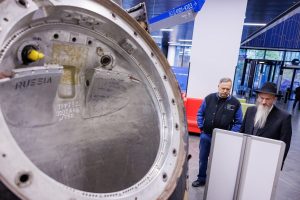
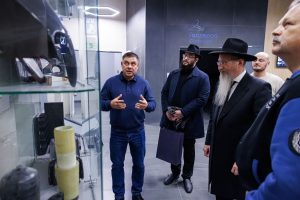
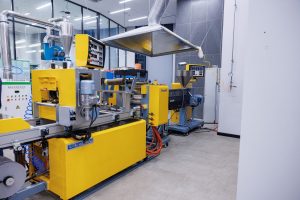
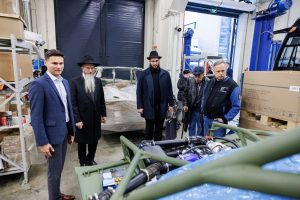
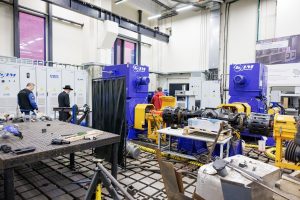
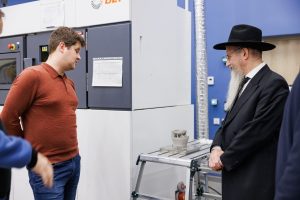
During the tour, Rabbi Lazar was introduced to several additional technological developments, including a spacecraft landing capsule and advanced industrial 3D printers capable of producing complex components and innovative furniture. He also visited the university’s robotics department, where researchers demonstrated automated systems for metal processing and precision laser welding, highlighting practical applications of modern engineering.
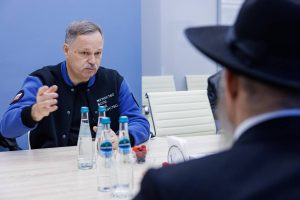
Addressing university faculty members, Rabbi Lazar expressed appreciation for the institution’s emphasis on combining academic knowledge with practical experience.
“What we see here is a genuine investment in the future and new approaches,” he said. “It is clear that education here goes beyond theory and is translated into practice. Students can see how what they learn becomes a reality, and that provides tremendous motivation.”
Rabbi Lazar also met with Jewish students and praised the university’s commitment to ethical values and education, emphasizing their importance alongside scientific and technological advancement.
Toward the conclusion of the visit, discussions turned to the potential practical applications of the university’s agricultural technology within Russia’s kosher certification system.
“I will discuss this with our Kashrut Department, and we will explore how we might cooperate in this unique field,” Rabbi Lazar said. “If this technology proves successful, it could represent a breakthrough not only here in Russia but for communities around the world.”
The proposed cooperation could open new opportunities for producing insect-free vegetables more efficiently, potentially improving access to kosher-certified fresh produce for Jewish communities in Russia and beyond.
The visit concluded with a discussion about human space exploration. Asked about the significance of manned missions to space, Rabbi Lazar offered a perspective rooted in Jewish teachings about humanity’s responsibilities on Earth.
“There is always more to explore and discover, but the question is whether this should be our primary mission today,” he explained. “I believe our priorities are different at this time. We have enormous tasks and goals to accomplish here on Earth, and we must continue advancing step by step.”
Photo credit: Svetlana Fadeeva, Bauman University Press Office